Understanding the psychology of risk in gambling decisions
The Nature of Risk in Gambling
Gambling inherently involves risk, as participants are often wagering their money or valuables on uncertain outcomes. Understanding this risk is crucial for both casual players and serious gamblers. In the context of platforms like msspins.net, the psychology of risk in gambling is influenced by several factors, including cognitive biases, emotional responses, and social influences, which can significantly affect decision-making processes.

One key aspect of risk perception in gambling is the balance between reward and loss. Players frequently overestimate their chances of winning, a phenomenon known as the optimism bias. This bias can lead individuals to take unnecessary risks, believing that they can defy the odds, which may ultimately result in significant financial losses.
Cognitive Biases and Their Impact
Cognitive biases play a central role in how gamblers assess risk. For example, the gambler’s fallacy leads players to believe that past outcomes influence future results, which can skew their decision-making. This misconception may cause individuals to continue playing despite unfavorable odds, as they anticipate that luck will eventually turn in their favor.
Additionally, confirmation bias can lead gamblers to selectively focus on winning experiences while ignoring losses. This selective memory can reinforce the belief that they are more skilled than they actually are, causing them to engage in riskier betting behavior. Understanding these cognitive biases is crucial for developing healthier gambling habits.
The Role of Emotions in Gambling Decisions
Emotions significantly impact gambling choices, often driving players to make impulsive decisions. The thrill of winning can create a euphoric state that may lead to reckless betting. Conversely, fear of loss can result in conservative strategies that limit potential gains. Emotional regulation is essential for maintaining control over gambling behavior and making rational decisions.
Moreover, the cycle of emotions during gambling can lead to a phenomenon known as “chasing losses.” When players experience a losing streak, they may gamble more aggressively in an attempt to recover their losses, which can further exacerbate their financial situation. Recognizing and managing these emotional triggers is vital for responsible gambling.
Social Influences on Gambling Behavior
Social factors also play a significant role in shaping gambling decisions. The environment in which gambling occurs, whether online or in-person, can influence perceptions of risk and reward. For instance, players in a casino may feel social pressure to continue betting, driven by the collective energy and excitement of others around them.
Furthermore, the role of social validation cannot be overlooked. Individuals may seek approval from peers or family, which can reinforce risk-taking behaviors. Understanding the social dynamics at play can help individuals recognize when they are being influenced by external factors rather than making autonomous choices based on their personal circumstances.
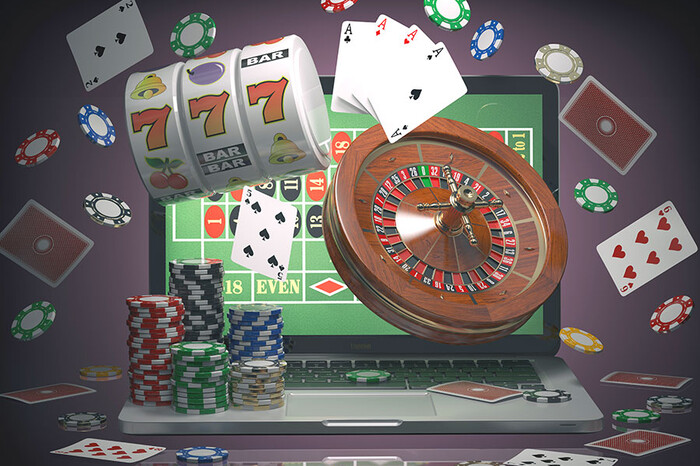
Exploring Msspins Casino
Msspins Casino offers an exciting platform for online gaming, providing a diverse range of over 2,500 games, including slots and table games. Understanding the psychology of risk can enhance the gaming experience, helping players make informed decisions as they engage with the various offerings. The casino’s commitment to player safety ensures a regulated environment where individuals can explore their gambling interests without compromising their well-being.
With a generous welcome bonus for new players, Msspins Casino encourages exploration and engagement while emphasizing the importance of responsible gambling. Players can take advantage of instant deposits and quick withdrawals, enabling them to enjoy their gaming experience fully. By understanding the psychological aspects of gambling, individuals can navigate the risks more effectively and enhance their overall enjoyment at Msspins Casino.