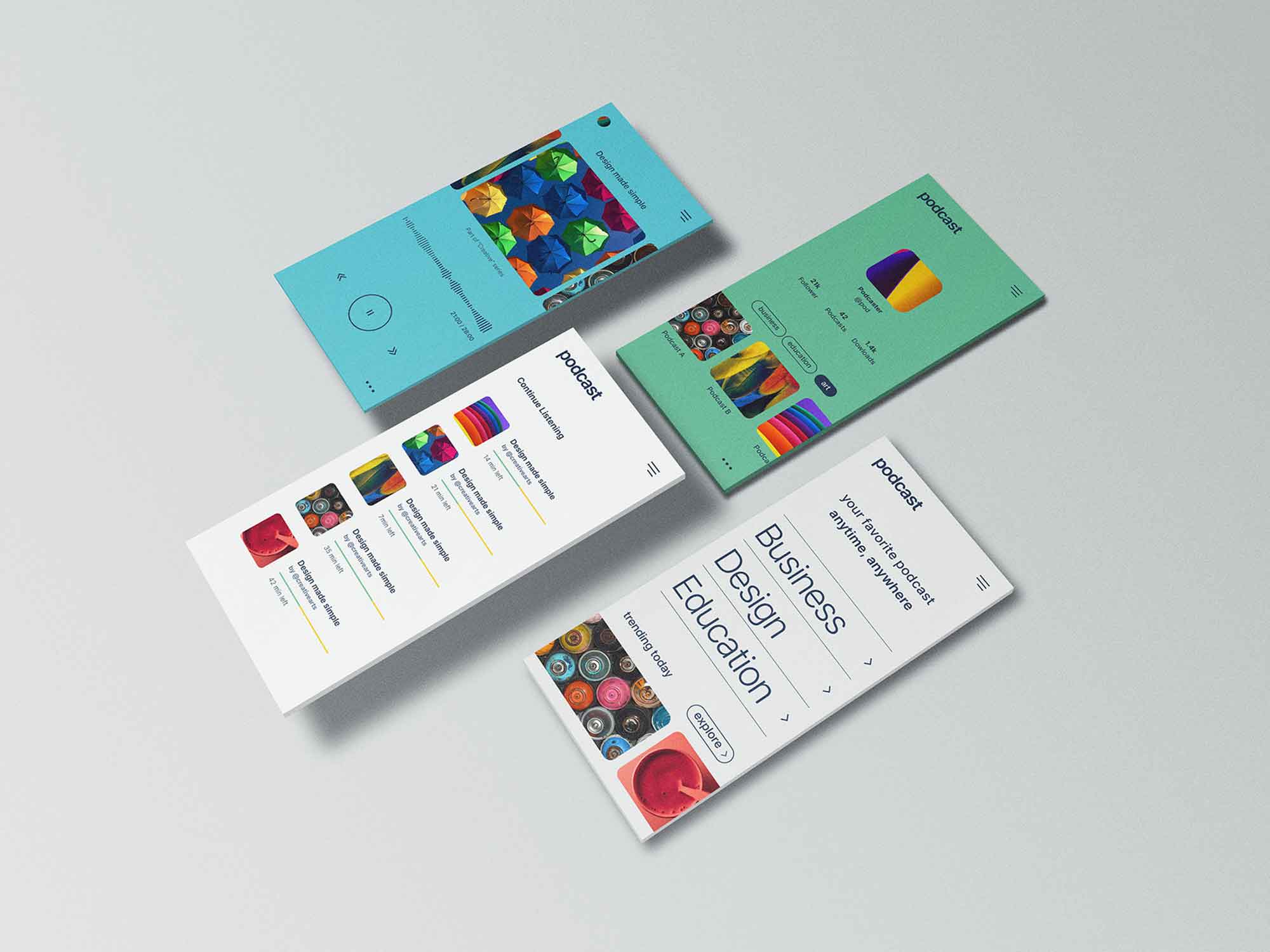
Introduction: What Defines Successful Mobile Casino App Development
Successful mobile casino app development is not just about launching games on a smaller screen. It starts with app design that feels intuitive from the first tap, a user interface that keeps navigation simple, and functionality that works smoothly across devices. In practice, the best apps make it easy to register, deposit, browse games, and return to play without friction.
Strong mobile optimization is equally important. Players expect fast loading times, stable performance, and responsive layouts whether they use a phone or tablet. If a roulette table lags or a slot game crashes during play, the user experience suffers immediately. That is why experienced developers build with performance, security, and real-world usage in mind.
Successful teams also rely on developer strategies shaped by competitive analysis and current tech trends. They study what top apps do well, then enhance it with smarter feature sets, including live chat, personalized offers, biometric login, and seamless wallet tools. In this market, effective app marketing is crucial, as even a well-built product needs clear positioning to attract and retain players, which requires a keen focus on user experience and mobile optimization https://golisimo-au.org/.
In short, the strongest mobile casino apps combine convenience, trust, and entertainment. They are designed for people first, while still meeting the technical and business goals that keep the product competitive.
App Design and User Interface: Building for Trust, Clarity, and Engagement
Strong app design is not just about looking polished; it shapes how quickly users trust the product. A clear user interface should guide people naturally, with simple navigation, readable typography, and visual cues that make key actions obvious. In practice, good mobile optimization means buttons are thumb-friendly, loading states are smooth, and every screen supports the core functionality without clutter.
From a developer strategies perspective, the best results come from testing feature sets against real user behavior. For example, if onboarding feels too long or a settings menu hides important options, drop-off rises fast. That is why competitive analysis matters: it shows how similar apps balance simplicity and depth, and where your experience can stand out.
Modern app marketing also depends on design quality. Screenshots, demo flows, and first-time interactions all influence whether a user stays. Keeping up with tech trends like adaptive layouts, dark mode, and accessibility features helps reinforce a stronger user experience. When design, functionality, and clarity work together, the app feels reliable, engaging, and worth returning to.
Core Functionality and Feature Sets: Payments, Games, Security, and Retention
In a strong app design, the user interface should make core actions feel instant and obvious. Payments must be frictionless: one-tap checkout, saved cards, local methods, and clear confirmations reduce drop-off. From a functionality standpoint, that means fewer steps, fewer errors, and better mobile optimization across devices.
Games and interactive features can lift engagement when they fit the product naturally. Simple challenges, rewards, or streaks work best when they support the user experience rather than distract from it. Smart developer strategies often pair these feature sets with app marketing goals, using retention loops that encourage repeat visits without feeling forced.
Security is just as important as speed. Biometric login, encryption, fraud monitoring, and transparent permissions help users trust the product. In competitive analysis, apps that balance safety with convenience usually perform better because they reflect current tech trends and reduce hesitation at critical moments.
Retention comes from combining utility with value. Personalized offers, timely reminders, and adaptive content keep the app relevant after the first session. When teams connect core functionality to clear business goals, they create a stronger user experience and a more durable product overall.
Mobile Optimization, Tech Trends, and Developer Strategies for Performance
Strong mobile optimization starts with app design that keeps the user interface clean, fast, and easy to tap on smaller screens. If pages load slowly or buttons feel cramped, even a useful product loses user experience quickly.
Good developer strategies focus on lightweight assets, caching, and code splitting to protect functionality without adding friction. For example, compressing images and delaying nonessential scripts can make a noticeable difference on mid-range phones.
Current tech trends also favor smarter feature sets, such as offline support, biometric login, and AI-powered search. These upgrades help app marketing too, because users often share apps that feel modern and reliable.
Before launching, competitive analysis should compare load time, battery use, and core flows against top rivals. That kind of review shows where your app can win on performance, not just on features.
Competitive Analysis and App Marketing: Standing Out in a Crowded Market
In today’s app market, understanding competitive analysis is crucial for success. A well-executed analysis allows developers to pinpoint what features set their applications apart. For instance, an intuitive user interface or unique functionality can enhance user experience, making an app more appealing.
To stand out, developers need strategies rooted in tech trends. Prioritizing mobile optimization ensures that users enjoy seamless navigation and rapid load times, vital in retaining user engagement. Emphasizing effective app marketing can further leverage these strengths, showcasing compelling feature sets to draw in users.
Combining insights from competitive analysis with strong developer strategies leads to innovative app design. By understanding user expectations and demands, app creators can adapt to the ever-evolving landscape, delivering products that resonate and thrive in a bustling ecosystem.