Understanding the psychology of gambling Insights from Pinco Casino
The Allure of Gambling
The psychology behind gambling is a complex web of emotions, motivations, and cognitive biases. One of the primary attractions of gambling lies in the thrill of uncertainty. Players are often drawn to the rush of not knowing whether they will win or lose, which triggers the brain’s reward system. This thrill can lead to a state of euphoria when a win occurs, reinforcing the behavior and encouraging further gambling. For those interested in narratives that intertwine with gaming, a useful resource is https://getcomics.org/news/top-5-comics-that-inspired-elite-slots-a-technical-audit-of-narrative-igaming/.

Moreover, the social aspect of gambling plays a significant role in its appeal. Many individuals enjoy the camaraderie found in Pinco Casino, where they can share experiences with others. This social interaction can amplify the enjoyment and create a sense of belonging, making the experience even more enticing.
Cognitive Biases in Gambling
Cognitive biases also play a critical role in how individuals approach gambling. One common bias is the “illusion of control,” where players believe they can influence the outcome of a game, despite it being largely random. This misconception can lead to increased betting and a sense of empowerment, which keeps players engaged. Players often think that past outcomes can predict future results, a fallacy that can lead to misguided strategies.
Additionally, the “gambler’s fallacy” is prevalent in the gambling world. This is the belief that if a particular outcome has occurred frequently in the past, it is less likely to happen in the future. Such cognitive biases can cloud judgment, making it challenging for players to make rational decisions based on probabilities.
Emotional Factors in Gambling
Emotions significantly influence gambling behavior. Many individuals turn to Pinco Casino Canada as a form of escapism, seeking to alleviate stress or anxiety. This coping mechanism can create a cycle where individuals gamble to feel better, only to experience guilt or regret after a loss, prompting further gambling in an attempt to recover losses. The emotional rollercoaster can be addictive and hard to break free from.
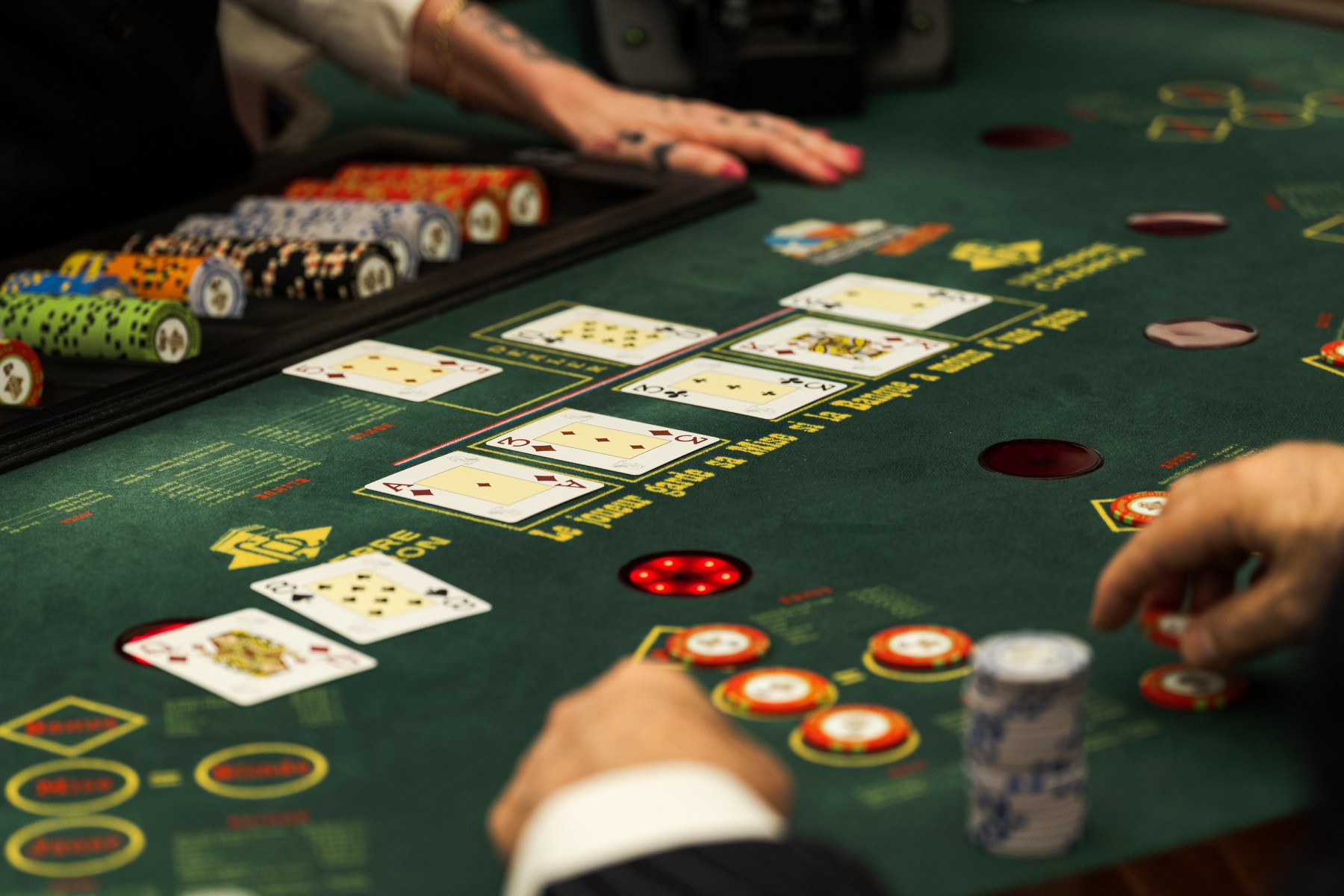
Moreover, the role of excitement cannot be understated. The high stakes and potential for significant rewards can lead to an adrenaline rush that many players find irresistible. This excitement is often heightened by the environment of casinos, where lights, sounds, and social interactions combine to create a stimulating atmosphere that enhances the gambling experience.
Strategies for Responsible Gambling
While understanding the psychology of gambling can illuminate why individuals engage in it, it also opens the door to strategies for responsible gambling. One key strategy is setting limits on time and money spent gambling. This proactive approach helps players maintain control over their behavior and reduces the likelihood of developing a gambling problem.
Another essential strategy is self-awareness. Players should regularly evaluate their motivations for gambling and be mindful of emotional triggers. Understanding why one is gambling can help individuals recognize when it may be time to take a break or seek help.
Insights from Pinco Casino
Pinco Casino Online serves as an excellent case study in understanding the psychology of gambling. With a focus on providing an engaging environment, the casino combines entertainment with educational resources that promote responsible gambling. They offer insights and tips that can help players navigate the complexities of their gambling behaviors.
In addition to the gaming experience, Pinco Casino emphasizes community and support, encouraging players to share their experiences and learn from each other. By fostering a culture of awareness and responsibility, Pinco Casino not only enhances the enjoyment of gambling but also contributes to healthier gaming habits for its players.