Comprehensive insights into the world of casinos
Historical Evolution of Casinos
The history of casinos can be traced back to ancient civilizations, where gambling was integral to various cultures. The earliest known gambling establishments emerged in China during the Han Dynasty, around 2300 BC, where games of chance played a significant role in social gatherings. As time progressed, the concept of gambling houses evolved, spreading across Europe, particularly in Italy and France, where the first formal casinos were established in the 17th century. These venues became hubs of social interaction, attracting the wealthy and influential. Such experiences are often enhanced when one chooses to love casino environments that promote a sense of community.
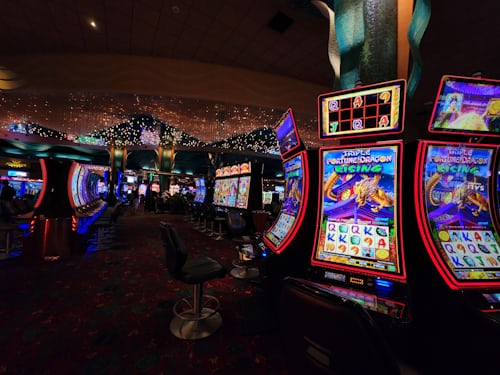
In the 19th century, casinos saw significant transformations, particularly with the advent of gambling regulations. The legalization of casinos in places like Monaco and Las Vegas in the early 20th century led to a boom in the gaming industry. Las Vegas, in particular, became synonymous with opulence and entertainment, featuring extravagant resorts that offered not just gaming but a full range of leisure activities, ultimately changing the landscape of casinos forever. Today, they are recognized as major entertainment destinations worldwide.
The rise of online casinos in the late 20th century marked another pivotal moment in the casino industry. With the advent of the internet, players could now experience gambling from the comfort of their homes. The emergence of mobile gaming further revolutionized the sector, providing players with easy access to their favorite games anywhere and anytime. This digital transformation has significantly broadened the appeal of casinos, introducing them to a new generation of players and paving the way for innovations like live dealer games.
Cultural Differences in Gambling
Cultural attitudes towards gambling vary significantly around the globe, influencing how casinos operate and the types of games that are popular in different regions. In many Western countries, gambling is often viewed as a form of entertainment and leisure, leading to the establishment of large, luxurious casinos. Conversely, in some Asian cultures, gambling is deeply embedded in traditions, with activities like Mahjong being more socially accepted and practiced. This divergence can be seen in the types of games that flourish in these environments, such as baccarat in Asian casinos compared to poker in the West.
The regulation of gambling is also influenced by cultural perspectives. Countries like the United States have a relatively liberal stance on gambling, leading to the proliferation of casinos across various states. In contrast, nations such as Saudi Arabia impose strict prohibitions on gambling due to religious beliefs, highlighting the impact of cultural values on the gambling landscape. Such regulations shape the operations of casinos, determining everything from game offerings to advertising strategies.
Moreover, the cultural acceptance of gambling can affect the social implications surrounding casinos. In many Western societies, gambling is often viewed as a harmless pastime; however, in regions with stricter views, the stigma attached to gambling can lead to negative perceptions. This cultural context influences not only the player experience but also the marketing and operational strategies of casinos, which must navigate these complex cultural terrains to attract a diverse clientele.
Technological Innovations in Casinos
The casino industry has always been at the forefront of adopting new technologies to enhance the player experience. One significant advancement is the integration of artificial intelligence and big data analytics. These technologies allow casinos to personalize gaming experiences, offering tailored recommendations based on player behavior and preferences. This not only improves player satisfaction but also encourages loyalty, as players feel understood and valued.
Another notable innovation is the rise of virtual reality (VR) and augmented reality (AR) in gaming. These technologies provide an immersive experience that replicates the ambiance of a physical casino while adding interactive elements that enhance gameplay. As VR and AR technologies continue to develop, they are expected to redefine how players engage with games, making it possible to experience high-stakes poker or slot machines in a more lifelike setting.
Furthermore, mobile technology has transformed the way people access casino games. With the proliferation of smartphones and tablets, players can now enjoy their favorite games on the go. Mobile casinos are designed to provide a seamless experience, offering a wide array of games that are just as engaging as their desktop counterparts. This shift has not only made gambling more accessible but has also attracted a younger demographic, reshaping the future of the casino industry.
Responsible Gambling Practices
As the popularity of casinos has surged, so too has the importance of promoting responsible gambling practices. Casinos recognize their social responsibility to protect players from the potential harms of gambling addiction. Many establishments have implemented measures such as self-exclusion programs, allowing players to limit their gambling activities when needed. These initiatives serve to foster a safer gaming environment and enhance public perception of casinos as responsible entities.
Additionally, educational campaigns are often employed by casinos to raise awareness about the risks associated with gambling. These campaigns aim to inform players about the signs of problem gambling, encouraging them to seek help if necessary. By actively participating in such initiatives, casinos not only contribute to public welfare but also cultivate a more sustainable business model that prioritizes player well-being.
Collaboration with organizations dedicated to gambling addiction treatment has also become a common practice within the industry. By working together, casinos can provide resources and support for individuals struggling with gambling-related issues. This collaborative approach reinforces the notion that while casinos are entertainment venues, they also play a crucial role in ensuring that gambling remains a safe and enjoyable pastime for all players.
Love Casino 2026: Your Premier Gaming Destination
At Love Casino 2026, we strive to provide a comprehensive gaming experience that caters to all types of players. With an extensive library of over 3,000 titles, including slots, live dealer tables, and innovative megaways, our platform ensures that every player finds something that piques their interest. Our commitment to quality extends to our security measures, ensuring that your gaming experience is safe and protected at all times.
Our user-friendly interface, accessible both via our app and website, offers fast transactions and generous bonuses, enhancing your overall experience. We value our community of over 50,000 active users, continuously engaging with our players to understand their needs and preferences. Our 24/7 customer support is always ready to assist you, ensuring that you have a seamless gaming journey.
Join us at Love Casino 2026 to elevate your gaming experience and become part of a vibrant community. Whether you’re a seasoned player or new to the world of online casinos, we are committed to providing you with an enjoyable, secure, and dynamic environment to explore the exciting world of gaming.